
Glaucoma Treatment in Navi Mumbai
Protecting Your Vision with Expert Care and Advanced Technology
Understanding Glaucoma
Glaucoma is a serious eye disease that results in vision loss by permanently damaging the optic nerve, the critical nerve that transmits visual images from your eye to your brain. As the leading cause of irreversible blindness worldwide, glaucoma often produces no symptoms until it’s too late and vision loss has already begun.
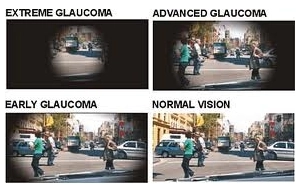
What Makes Glaucoma So Dangerous?
The insidious nature of glaucoma lies in its silence. Most people experience no pain, no obvious symptoms, and no warning signs until significant, irreversible damage has occurred. Vision loss typically begins in your peripheral (side) vision, and areas you might not notice are missing until the disease has progressed significantly.
While elevated eye pressure (intraocular pressure or IOP) is often associated with the development of glaucoma, it’s not the only factor.
The disease can occur even with normal eye pressure, and some people with high pressure never develop glaucoma. This complexity makes comprehensive eye examinations essential for everyone, especially those at higher risk.
Glaucoma usually affects both eyes, though one eye may be more severely affected than the other. The damage occurs when the delicate nerve fibres within the optic nerve are destroyed, leading to vision loss that typically starts in the peripheral visual field and can progress to complete blindness if left untreated.
Understanding Your Optic Nerve
Your optic nerve is a remarkable bundle of more than one million nerve fibres that connects the retina (the light-sensitive layer at the back of your eye) to your brain. Think of it as the cable that carries all visual information from your eye to your brain for processing. A healthy optic nerve is absolutely necessary for good vision, and once these nerve fibres are damaged by glaucoma, they cannot be regenerated or repaired.
Types of Glaucoma: Understanding Your Diagnosis
Primary Open-Angle Glaucoma
This is the most common form of glaucoma, affecting an estimated ten million Indians, approximately half of whom don’t even know they have it. Open-angle glaucoma earns its name because the drainage angle, where fluid leaves the eye, remains physically open, but the fluid passes too slowly through the drainage system.
Key Characteristics:
- Develops gradually over the years
- No early symptoms or pain
- Vision loss begins in peripheral areas
- Can steal sight before you notice any changes
- Responds well to early treatment
The drainage problem occurs in the trabecular meshwork, a spongy tissue that acts like a drain. When this drainage system becomes less efficient, fluid builds up, increasing pressure inside the eye and potentially damaging the optic nerve.
Normal-Tension Glaucoma (Low-Tension Glaucoma)
In this form of glaucoma, optic nerve damage occurs even when eye pressure remains within the statistically normal range (12-21 mmHg). This condition demonstrates that glaucoma is more complex than simply elevated eye pressure and emphasises why comprehensive optic nerve evaluation is crucial for proper diagnosis.
People with normal-tension glaucoma receive the same types of treatment as those with traditional open-angle glaucoma, focusing on lowering eye pressure to a level that prevents further optic nerve damage.
Emergency Symptoms:
- Severe eye pain
- Intense headache
- Nausea and vomiting
- Eye redness
- Blurred vision
- Seeing halos around lights
Without immediate treatment, angle-closure glaucoma can cause blindness in as little as one to two days. Prompt laser treatment can usually clear the blockage and preserve sight, which is why immediate medical attention is crucial if you experience these symptoms.
Congenital Glaucoma
Children born with congenital glaucoma have developmental defects in the eye’s drainage angle that slow normal fluid drainage. Unlike adult glaucoma, congenital glaucoma usually produces obvious symptoms that concerned parents can notice.
Signs in Infants:
- Cloudy or enlarged eyes
- Excessive tearing
- Extreme sensitivity to light
- Frequent eye rubbing or keeping eyes closed
Surgery is typically the preferred treatment for congenital glaucoma because medications may have unpredictable effects in infants and can be difficult to administer consistently. Fortunately, surgical treatment is safe and highly effective. When performed promptly, children with congenital glaucoma usually have an excellent chance of maintaining good vision throughout their lives.
Secondary Glaucoma
Secondary glaucomas develop as complications of other medical conditions or treatments. These can be associated with:
- Eye surgery complications
- Advanced cataracts that block normal fluid flow
- Eye injuries that damage drainage structures
- Eye tumours that interfere with fluid circulation
- Uveitis (eye inflammation) that affects drainage
- Neovascular glaucoma is linked to diabetes and retinal blood vessel problems
- Steroid-induced glaucoma from corticosteroid medications used to treat various eye conditions
Treatment for secondary glaucoma addresses both the underlying condition and the elevated eye pressure, often requiring a combination of medical therapy and surgical intervention.
How Glaucoma Damages Your Vision: The Science Behind the Disease
The Fluid Dynamics of Your Eye
To understand glaucoma, it’s helpful to understand how fluid moves through your eye. The front portion of your eye contains a space called the anterior chamber, filled with a clear fluid called aqueous humour. This fluid continuously flows into and out of this space, nourishing the nearby eye tissues and maintaining the proper shape and pressure of the eye.
The aqueous humour is produced by the ciliary body and flows through the pupil into the anterior chamber. It then exits the eye at the drainage angle, where the cornea and iris meet. At this angle, the fluid flows through a spongy tissue called the trabecular meshwork, which can be thought of as your eye’s natural drain, before exiting the eye through tiny channels.
When the Drainage System Fails
In open-angle glaucoma, this drainage system becomes less efficient over time. The angle remains physically open, but for reasons we don’t fully understand, the fluid passes too slowly through the meshwork drain. As fluid builds up faster than it can exit, pressure inside the eye rises.
This increased pressure can damage the optic nerve in several ways:
- Direct mechanical damage from elevated pressure
- Reduced blood flow to the optic nerve tissues
- Disruption of nerve fibre transport systems
- Cellular damage from pressure-related stress
The damage typically occurs gradually, affecting peripheral vision first because the nerve fibres responsible for side vision are often the most vulnerable to pressure-related injury.
Are You at Risk? Understanding Glaucoma Risk Factors
While anyone can develop glaucoma, certain factors significantly increase your risk. Understanding these risk factors helps you and your eye care provider determine how frequently you should be screened and how aggressively any early signs should be monitored.
Major Risk Factors
- Age Over 45 Years: Glaucoma risk increases significantly with age. While the disease can occur at any age, individuals over 45 should undergo regular comprehensive eye examinations, and those over 60 should have annual examinations.
- Family History of Glaucoma: Genetics Play a Crucial Role in Glaucoma Development. If you have a parent, sibling, or child with glaucoma, your risk increases four to nine times. This family connection makes it essential for relatives of glaucoma patients to have regular eye examinations.
- Diabetes Diabetic patients face an increased risk for several types of glaucoma, including neovascular glaucoma, which can be particularly aggressive. The blood vessel changes associated with diabetes can affect eye drainage and optic nerve health.
- History of Elevated Intraocular Pressure. While high eye pressure doesn't automatically mean you have glaucoma, it does increase your risk significantly. People with consistently elevated eye pressure require careful monitoring and may benefit from preventive treatment.
- High Myopia (Severe Nearsightedness): Individuals with significant nearsightedness often exhibit anatomical changes in their eyes that can increase their risk of developing glaucoma. The elongated shape of highly myopic eyes may affect the vulnerability of the optic nerve and its drainage function.
- Hyperopia (Farsightedness) Farsighted individuals often have naturally narrower drainage angles, which predispose them to angle-closure glaucoma attacks. This anatomical variation requires careful monitoring and, in some cases, preventive laser treatment.
- History of Eye Injury. Previous eye trauma can damage drainage structures or cause inflammation that increases glaucoma risk. Even injuries that occurred years ago can have long-term effects on eye pressure regulation.
- Steroid Use Corticosteroid medications, whether used as eye drops, oral medications, or injections, can trigger glaucoma in susceptible individuals. This risk exists with both short-term high-dose use and long-term low-dose exposure.
Comprehensive Glaucoma Detection: Advanced Diagnostic Technology
Beyond Simple Pressure Measurement
Many people mistakenly believe that a glaucoma diagnosis is simply a matter of measuring eye pressure. While pressure measurement is important, a comprehensive evaluation of multiple factors is necessary for glaucoma diagnosis. You can have glaucoma with normal eye pressure, and you can have elevated pressure without glaucoma.
The key lies in determining the level of pressure your individual optic nerve can tolerate without sustaining damage. This tolerance level varies significantly from person to person, which is why a comprehensive examination is crucial for accurate diagnosis and effective treatment planning.
Our Advanced Diagnostic Testing
- Visual Acuity Testing. This fundamental eye chart test measures your ability to see clearly at various distances. While glaucoma typically doesn't affect central vision until the late stages, establishing a baseline visual acuity helps monitor disease progression and the effects of treatment.
- Comprehensive Tonometry We use the latest tonometry equipment to accurately measure your intraocular pressure. Our advanced tonometers provide precise readings that help guide treatment decisions. However, we always interpret pressure readings in the context of your overall eye health, not as isolated numbers.
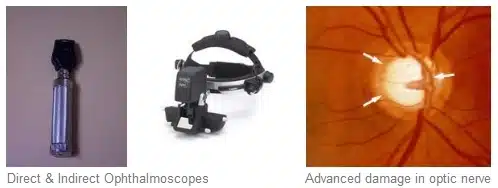
- Detailed Ophthalmoscopy with Pupil Dilation. This crucial examination allows us to directly visualise your optic nerve (appearing as the optic disc) at the back of your eye. We look for specific signs of glaucomatous damage:
- Optic disc cupping: An abnormal indentation in the optic nerve head
- Nerve fibre layer thinning: Loss of the delicate nerve tissue
- Disc pallor: Abnormal colouring that may indicate poor blood flow or pressure damage
- Asymmetry between eyes: Differences that might suggest early disease
This examination provides detailed information about optic nerve health that can’t be obtained through pressure measurement alone.
- Pachymetry: Corneal Thickness Measurement. Your corneal thickness significantly affects the accuracy of pressure measurements. Thicker corneas can make pressure readings appear artificially high, while thinner corneas can make them appear artificially low. Additionally, thin corneas may represent an independent risk factor for the development of glaucoma.
We use precise pachymetry to ensure accurate pressure interpretation and identify patients who may need more frequent monitoring due to thin corneas.
- Gonioscopy: Drainage Angle Examination. This specialised examination involves placing a special contact lens with mirrors on your eye after numbing drops are applied. The mirrors allow us to view the drainage angle from multiple directions, enabling us to:
- Determine whether your drainage angle is open, narrow, or closed
- Identify structural abnormalities that might affect drainage
- Assess your risk for angle-closure attacks
- Plan appropriate treatment strategies
People with narrow angles may benefit from preventive laser treatment to reduce their risk of acute angle-closure episodes.
Visual Field Analysis (Perimetry) Visual field testing maps your complete field of vision, including your peripheral (side) vision, where glaucoma damage typically begins. During this computerised test:
- One eye is covered while you focus on a central target
- Lights of varying brightness appear at different locations
- You press a button whenever you see a light
- The computer creates a detailed map showing areas of normal and reduced sensitivity
We use the latest Humphrey Visual Field Analyser from Carl Zeiss Meditec USA, which provides the most accurate and reproducible visual field measurements available. This testing can detect glaucomatous damage before you notice any changes in your daily vision.
OCT (Optical Coherence Tomography) OCT represents the latest advancement in glaucoma diagnosis and monitoring. This revolutionary technology provides 3D, high-definition scans of various eye tissues with incredible detail.
Our RTVue FD OCT system from Optovue USA offers:
- Ultra-high speed scanning that completes detailed scans in seconds
- High-resolution imaging that visualises individual nerve fiber layers
- Precise measurements of optic nerve and retinal thickness
- Progression analysis that tracks changes over time
OCT can often detect glaucomatous changes before they’re visible on clinical examination or cause visual field defects, enabling earlier intervention and better outcomes.
The Importance of Regular Monitoring
All these diagnostic tests need to be repeated at regular intervals to assess disease progression and the effectiveness of treatment. The frequency of testing depends on your individual risk factors, disease severity, and treatment response. This ongoing monitoring allows us to adjust treatment as needed and catch any progression early.
Comprehensive Glaucoma Treatment: Preserving Your Vision
The Reality of Glaucoma Treatment
While glaucoma cannot be cured, it can almost always be controlled with proper treatment. The key to successful glaucoma management lies in early diagnosis and consistent, appropriate treatment. The goal is to lower eye pressure to a level that prevents further optic nerve damage while maintaining your quality of life.
Medical Management: The Foundation of Treatment
Modern Eye Drop Therapy Eye drops represent the most common and often most effective initial treatment for glaucoma. Today’s advanced medications offer several advantages over older treatments:
- Once-daily dosing: Many modern drops need to be used only once per day, typically at bedtime
- Improved effectiveness: Newer formulations provide better pressure control
- Reduced side effects: Modern medications have fewer uncomfortable side effects
- Multiple mechanisms: Different drops work in various ways to control pressure
How Glaucoma Medications Work:
- Reducing fluid production: Some medications decrease the amount of aqueous humour your eye produces
- Improving drainage: Other medications help fluid drain more efficiently from your eye
- Combination therapy: You may need multiple types of drops to achieve optimal pressure control
Laser Procedures: Minimally Invasive Solutions
Laser Iridotomy. This outpatient procedure is particularly effective for angle-closure glaucoma or narrow-angle conditions. Using precise laser energy, we create a small hole in the iris (colored part of your eye) to allow fluid to drain normally. The procedure:
- It is performed in our office
- Takes only a few minutes
- Requires only topical anaesthetic drops
- Prevents angle-closure attacks
- Often eliminates the need for long-term medications in angle-closure cases
Selective Laser Trabeculoplasty (SLT) This advanced laser treatment targets the drainage tissue directly, improving fluid outflow without damaging surrounding tissues. SLT offers several advantages:
- Minimal discomfort during and after treatment
- No incisions or stitches required
- Can be repeated if necessary
- Often reduces or eliminates the need for daily eye drops
- Very low risk of complications
Surgical Solutions: When Other Treatments Aren't Sufficient
Trabeculectomy: The Gold Standard. When medications and laser treatments are unable to adequately control eye pressure, conventional surgery may be necessary. Trabeculectomy involves creating a new drainage pathway for fluid to leave the eye.
The Procedure:
- A small piece of tissue is carefully removed from the white part (sclera) of your eye
- This creates a new channel for fluid drainage
- The procedure is performed in an operating room under local anaesthesia
- Success rates range from 80-90% for pressure control
- Recovery typically takes several weeks with careful follow-up
Advanced Surgical Options For complex cases or when traditional surgery isn’t appropriate, we offer additional surgical techniques:
- Tube implant surgery: Inserting a small drainage device
- Minimally invasive glaucoma surgery (MIGS): Newer techniques with faster recovery
- Cyclodestructive procedures: For advanced or difficult-to-treat cases
Treatment Success Factors
Individualised Approach Every patient’s glaucoma is unique, requiring personalised treatment plans based on:
- Type and severity of glaucoma
- Target pressure levels for your optic nerve
- Your lifestyle and preferences
- Response to initial treatments
- Overall health considerations
Regular Monitoring. Successful glaucoma treatment requires an ongoing partnership between you and your eye care team. Regular follow-up appointments allow us to:
- Monitor treatment effectiveness
- Adjust medications as needed
- Detect any disease progression early
- Address side effects or concerns promptly
Living Successfully with Glaucoma
Taking Control of Your Treatment
Your active participation in treatment is essential for success. This includes:
Medication Adherence
- Take all prescribed medications exactly as directed
- Never skip doses, even if you feel fine
- Don't stop medications without consulting your eye doctor
- Set up reminder systems to help maintain consistency
- Discuss any side effects with your doctor rather than stopping treatment
Regular Follow-Up Care
- Attend all scheduled appointments, even if you feel fine
- Report any changes in vision or eye comfort immediately
- Bring all medications to appointments for review
- Ask questions about your condition and treatment
Protecting Your Family
Since glaucoma often runs in families, you can help protect your loved ones by:
- Informing family members about your diagnosis
- Encouraging relatives over 45 to have comprehensive eye examinations
- Sharing information about glaucoma risk factors
- Emphasising the importance of regular eye care
Maintaining Quality of Life
A glaucoma diagnosis doesn’t mean giving up activities you enjoy. With proper treatment and monitoring, most people with glaucoma continue to:
- Drive safely (with regular vision monitoring)
- Work in their chosen careers
- Participate in sports and recreational activities
- Travel and maintain an active lifestyle
- Live independently throughout their lives
Why Choose Our Glaucoma Care?
Advanced Technology
We invest in the latest diagnostic and treatment technologies to provide you with the most accurate diagnosis and effective treatment options available. Our equipment includes:
- Latest tonometry systems for precise pressure measurement
- Humphrey Visual Field Analyser from Carl Zeiss Meditec USA
- RTVue FD OCT from Optovue USA for detailed tissue imaging
- Advanced laser systems for minimally invasive treatments
Comprehensive Care Philosophy
Our approach to glaucoma care encompasses:
- Thorough initial evaluation to ensure accurate diagnosis
- Personalised treatment planning based on your individual needs
- Patient education so you understand your condition and treatment
- Ongoing support throughout your treatment journey
- Coordination with other specialists when additional care is needed
Commitment to Preserving Your Vision
We understand that a glaucoma diagnosis can be overwhelming and frightening. Our team is dedicated to providing not just excellent medical care, but also the support and education you need to feel confident about your treatment and optimistic about your visual future.
Dr. Rajesh Kapoor and our experienced team combine years of specialised training with genuine compassion for our patients. We’re committed to helping you preserve your precious gift of sight for years to come.
Take Action Today: Your Vision Can't Wait
Glaucoma is a progressive disease—waiting won’t make it better, but early treatment can prevent vision loss. If you have risk factors for glaucoma, haven’t had a comprehensive eye examination recently, or have concerns about your vision, don’t delay seeking evaluation.
Contact us today to schedule your comprehensive glaucoma evaluation. Your vision is irreplaceable—let’s work together to protect it.
With 25 years of experience, Dr. Rajesh Kapoor’s expertise helps ensure minimal complications.
FAQ
If you’re over 45 with no risk factors, every 2-3 years. With risk factors or family history, annually or as recommended by your eye doctor.
Most insurance plans cover medically necessary glaucoma treatment, including medications, laser procedures, and surgery.
Many people with glaucoma continue driving safely with proper treatment and regular monitoring of their visual field.
Cataracts cause cloudy vision that can be corrected with surgery. Glaucoma causes permanent vision loss that can be prevented but not reversed.
Regular exercise, avoiding excessive caffeine, and managing other health conditions, such as diabetes, can be beneficial.